WPHES Journal Home

Category

Environmental Health

11 articles

Resistance Without Record: The Surveillance Failures Allowing Antibiotic-Resistant Pathogens to Move Freely Through the American Meat Supply

Resistance Without Record: The Surveillance Failures Allowing Antibiotic-Resistant Pathogens to Move Freely Through the American Meat Supply

Antimicrobial resistance emerging from commercial livestock operations represents one of the most consequential and least systematically monitored threats within the American food system. Current USDA and FDA regulatory frameworks test for a narrow band of pathogens while leaving vast categories of resistance transfer mechanisms outside routine surveillance. This analysis documents the structural gaps and compares the US approach with more rigorous European frameworks.


Sewage, Soil, and Silence: The Pharmaceutical Contamination Hidden Inside America's Biosolids Policy

Sewage, Soil, and Silence: The Pharmaceutical Contamination Hidden Inside America's Biosolids Policy

Across American farmland, millions of tons of treated sewage sludge are applied annually as fertilizer under federal rules that largely ignore the pharmaceutical residues embedded within them. The EPA's biosolids framework, last substantively revised in 1993, contains no binding limits for antibiotics, synthetic hormones, or psychoactive drug metabolites — compounds that persist in soil, migrate into crops, and enter the food supply with little regulatory scrutiny. This article examines the stru

Capped by Congress: How Federal Pesticide Preemption Strips States of Their Power to Protect Communities from Chemical Harm

Capped by Congress: How Federal Pesticide Preemption Strips States of Their Power to Protect Communities from Chemical Harm

The Federal Insecticide, Fungicide, and Rodenticide Act contains a largely unexamined provision that prevents states from enforcing pesticide restrictions more stringent than federal standards, effectively imposing a regulatory ceiling on local environmental protection. For agricultural communities and vulnerable populations living adjacent to treated land, this statutory architecture translates into sustained chemical exposure that neither state legislatures nor local health authorities possess

Justice Deferred, Health Denied: How Environmental Litigation Timelines Become Instruments of Community Harm

Justice Deferred, Health Denied: How Environmental Litigation Timelines Become Instruments of Community Harm

When industrial contamination meets the American legal system, the resulting delays frequently transform what should be a public health emergency into a protracted adversarial contest measured in decades rather than months. This analysis examines how the structural mechanics of environmental litigation—discovery disputes, jurisdictional maneuvering, and settlement negotiations—function as a de facto moratorium on protective intervention. The communities bearing the heaviest burden of this delay

Regulated Too Late: How the EPA's Prolonged Chemical Safety Process Leaves Americans Exposed for Generations

Regulated Too Late: How the EPA's Prolonged Chemical Safety Process Leaves Americans Exposed for Generations

The United States Environmental Protection Agency's chemical risk assessment process routinely spans decades, during which time millions of Americans continue absorbing substances that mounting evidence suggests are harmful. This article examines the structural architecture of those delays, traces the trajectories of chemicals that caused documented harm before restrictions materialized, and evaluates how precautionary regulatory philosophies adopted elsewhere have produced meaningfully differen

A Double Standard in Practice: How American Corporations Export Environmental Compliance While Lobbying Against It at Home

A Double Standard in Practice: How American Corporations Export Environmental Compliance While Lobbying Against It at Home

A mounting body of evidence reveals that some of the United States' largest industrial corporations voluntarily operate under Europe's more stringent environmental and occupational health standards at their overseas facilities while simultaneously funding legislative campaigns to prevent equivalent protections from taking effect domestically. This article examines the economic logic, political mechanisms, and public health consequences of that regulatory arbitrage, with particular attention to t

Regrettable Substitution: How Next-Generation PFAS Compounds Are Entering Consumer Markets Ahead of Toxicological Understanding

Regrettable Substitution: How Next-Generation PFAS Compounds Are Entering Consumer Markets Ahead of Toxicological Understanding

When regulators and litigation pressure forced PFOA and PFOS out of widespread commercial use, manufacturers pivoted to structurally related fluorinated alternatives—compounds that entered the marketplace without the decades of safety data their predecessors had accumulated. This analysis documents the pattern of regrettable substitution in the PFAS chemical family, evaluates the inadequacy of existing US premarket assessment requirements, and draws on comparative European regulatory models to p

Coverage as a Condition of Employment: How America's Insurance Architecture Becomes a Public Health Liability in Times of Crisis

Coverage as a Condition of Employment: How America's Insurance Architecture Becomes a Public Health Liability in Times of Crisis

The American practice of linking health insurance eligibility to employment status creates a systemic vulnerability that becomes acutely visible during epidemiological emergencies, when the populations most exposed to infectious disease are simultaneously those most economically threatened by the behavioral changes necessary to reduce transmission. This analysis situates employment-contingent coverage within the broader literature on occupational and environmental health risk, arguing that the c

Zip Codes as Diagnoses: How Non-Health Policies Drive Chronic Disease Across American Communities

Zip Codes as Diagnoses: How Non-Health Policies Drive Chronic Disease Across American Communities

Chronic disease in America is frequently treated as a medical problem requiring medical solutions, yet a growing body of peer-reviewed evidence demonstrates that its root causes lie substantially outside the healthcare system—in housing codes, food access infrastructure, transportation networks, and the architecture of economic inequality. This analysis examines case studies in which policy interventions far removed from clinical medicine produced measurable reductions in disease burden, and arg

Invisible Contaminants, Absent Regulations: Confronting the Microplastics Threat in US Drinking Water

Invisible Contaminants, Absent Regulations: Confronting the Microplastics Threat in US Drinking Water

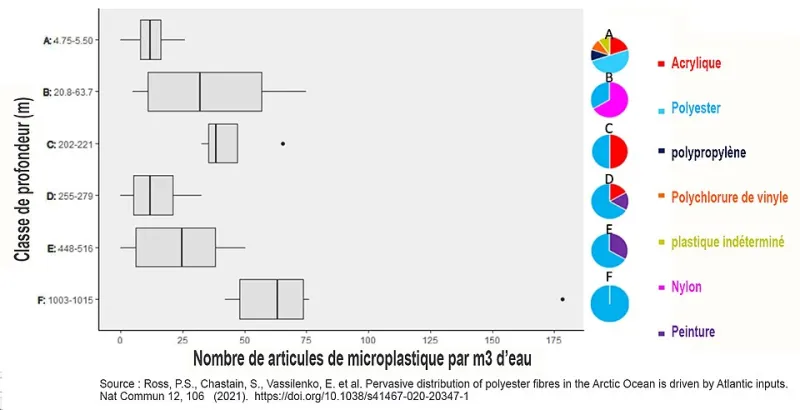
Mounting scientific evidence confirms that microplastics are pervasive in American municipal and private water supplies, yet no binding federal regulatory standard exists to limit their presence. This analysis examines the widening chasm between detection science and regulatory action at the US Environmental Protection Agency, draws instructive comparisons with European legislative frameworks, and advances a set of evidence-grounded policy recommendations for closing this gap before irreversible

From Copenhagen to Cleveland: A Five-Point Evidence Framework for Climate-Resilient Urban Health in American Cities

From Copenhagen to Cleveland: A Five-Point Evidence Framework for Climate-Resilient Urban Health in American Cities

European municipalities have accumulated a compelling body of evidence demonstrating that strategically deployed green infrastructure meaningfully reduces heat-related mortality, respiratory disease burden, and mental health strain among urban populations. American cities now face analogous environmental health pressures but must navigate distinct regulatory, financial, and demographic landscapes. This research synthesis translates peer-reviewed findings from European urban health studies into a